

5 Signs Your Retainer No Longer Fits Properly
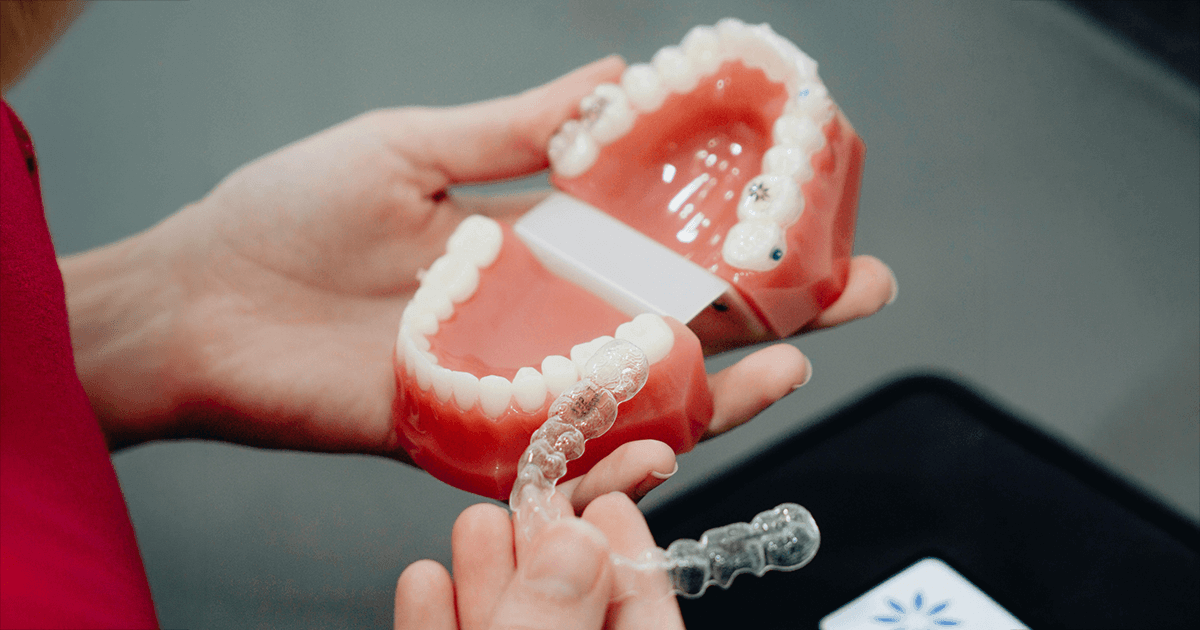
Completing braces or Invisalign is a big milestone, but maintaining your smile is an ongoing process. The most important tool for keeping your teeth aligned after orthodontic treatment is your retainer.
Retainers help stabilize teeth while the surrounding bone and tissues adjust to their new positions. However, retainers are not designed to last forever. Over time, normal wear, small changes in tooth position, or inconsistent wear can affect how well a retainer fits.
At Kahan Orthodontics, we help patients in Tarzana, Encino, and the surrounding San Fernando Valley protect their orthodontic results with long-term retention strategies. If you notice any of the following signs, it may be time to schedule an evaluation to determine whether your retainer needs adjustment or replacement.
1. Your Retainer Feels Consistently Tight
It is normal to feel slight pressure when wearing a retainer after skipping a night or two. However, persistent tightness may indicate that your teeth have begun shifting.
What this may mean
If your retainer feels tight every night, it may be working harder to hold your teeth in place. This can happen if teeth are gradually drifting from their original positions.
Why evaluation matters
Trying to force a retainer onto teeth that have shifted significantly may apply uneven pressure. An orthodontic evaluation can help determine whether the retainer still fits properly or if a new one is recommended.
2. You See Cracks, Chips, or Cloudy Plastic
Clear retainers are made from durable plastic, but daily wear, cleaning, and temperature changes can gradually affect the material.
Signs of structural wear
Common signs that a retainer may be wearing out include:
- Small cracks or fractures
- Chips along the edges
- Warped plastic
- Significant cloudiness that does not improve with cleaning
When the material weakens, the retainer may not hold teeth as securely as intended.
Hygiene considerations
Deep cloudiness or buildup that cannot be removed may also trap bacteria, which can contribute to gum irritation if the retainer continues to be worn.
3. The Retainer Feels Loose or Does Not Stay in Place
A properly fitting retainer should sit firmly against the teeth and remain stable when worn.
Signs of a loose retainer
If your retainer:
- Slides easily off your teeth
- Pops out when you speak or move your tongue
- No longer “snaps” into place
it may have stretched or lost its original shape.
When a retainer becomes loose, it may not provide the level of stabilization needed to maintain alignment.
4. You Notice Teeth Shifting
Sometimes the first sign that a retainer is no longer effective is a visible change in tooth alignment.
Early signs of orthodontic relapse
These changes may include:
- Small gaps forming between teeth
- Overlapping of the lower front teeth
- Slight rotation of a tooth that was previously straight
If these shifts are identified early, your orthodontist may be able to recommend a simple solution before more noticeable changes occur.
5. Your Retainer Is Several Years Old
Even if a retainer appears to be in good condition, the materials can weaken over time.
Typical replacement timing
Many orthodontists recommend evaluating clear retainers every one to two years. Depending on wear and daily habits, replacement may be recommended to ensure the retainer continues functioning properly.
Regular checkups can help confirm that your retainer still fits as intended and continues protecting your orthodontic results.
Protect Your Smile After Orthodontic Treatment
Retainers play a critical role in maintaining your smile long after braces or Invisalign treatment is complete. If your retainer feels different, appears worn, or no longer fits securely, it may be worth having it evaluated.
At Kahan Orthodontics, we help patients maintain their results with retainer evaluations, replacements, and long-term retention guidance.
Schedule a consultation:
https://kahanorthodontics.com/survey-latest/
Learn more about Dr. Elysa Kahan:
https://kahanorthodontics.com/elysa-kahan/
Flexible payment options:
https://kahanorthodontics.com/new-patients/flexible-payments/
Insurance information:
https://kahanorthodontics.com/new-patients/insurance-information/
Disclaimer: This content is for general informational purposes only and does not constitute dental or clinical advice. Individual outcomes vary based on clinical evaluation and treatment planning.