

Invisalign vs Braces for Athletes: What Is the Safest Option?
Orthodontic Treatment and an Active Lifestyle
Athletes work hard to stay strong, healthy, and focused. When orthodontic treatment becomes part of that routine, it is natural to wonder which option best fits sports, training, and daily activities. Both braces and Invisalign can improve alignment, but each works differently in terms of movement, gear, and impact risks.
This guide explains how both options affect athletes and what parents and active patients should consider before choosing a treatment plan.
How Sports Impact Orthodontic Treatment
Playing sports increases the risk of being hit in the mouth by a ball, another player, or the ground. Because orthodontic appliances are worn in the mouth every day, the type of appliance you choose can influence comfort and safety during practice or competition.
Braces for Athletes: What to Know
Braces are made with small brackets and wires that stay attached to the teeth. They work well for many types of tooth movement, but athletes should be aware of a few safety considerations.
Impact Risks
A direct hit to the mouth can push the brackets or wires into the lips and cheeks. This can lead to cuts, irritation, or sores. Broken brackets or bent wires may also require an unplanned repair visit, which can interrupt training schedules.
Ceramic Braces
Ceramic braces offer a clear look, but they are not always ideal for high-contact sports. The material can break under pressure and may create sharp edges if damaged.
Protection
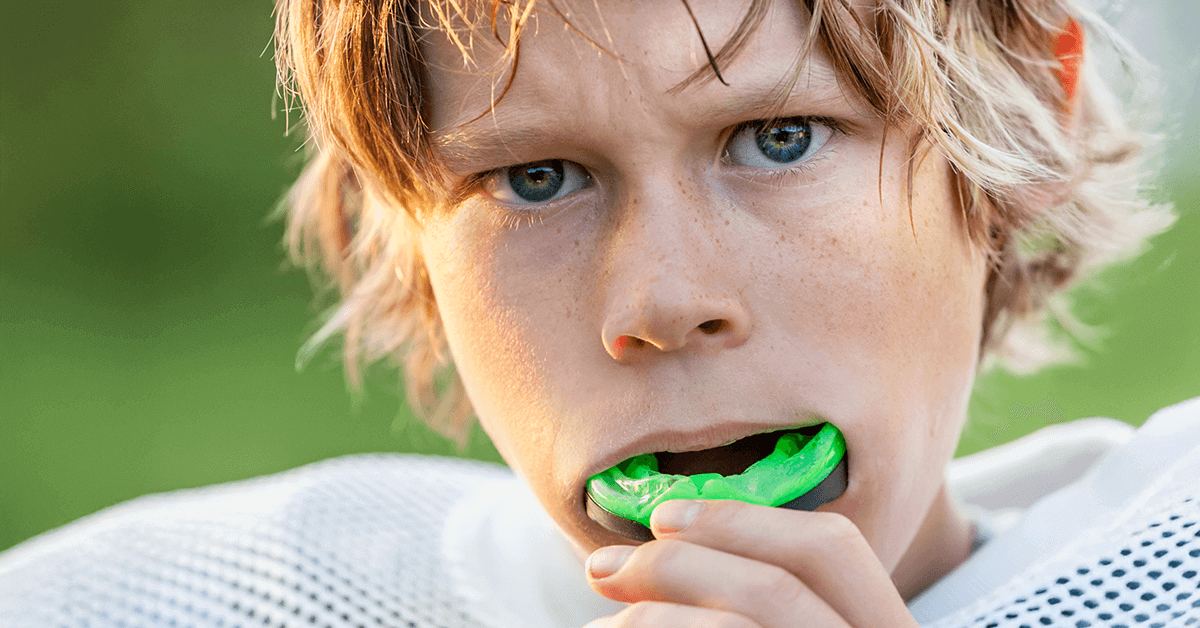
Athletes with braces should always wear an orthodontic mouthguard during sports. These guards are flexible and designed to fit comfortably over brackets and wires.
If you want to learn more about braces, visit the Braces page: https://www.kahanorthodontics.com/braces/
Invisalign for Athletes: A Closer Look
Invisalign uses clear plastic aligners that fit over the teeth. They have smooth surfaces, which may reduce the chance of cuts if the mouth is bumped.
Comfort and Safety
Because Invisalign does not have wires or brackets, many athletes find it more comfortable during activities. The smooth plastic reduces the chance of mouth irritation from impact.
Important Limitations
Aligners must be removed before wearing a sports mouthguard. They can crack or warp if hit, so athletes should not wear aligners under a mouthguard. The aligners must be stored carefully during practice to avoid loss or damage.
Compliance
Invisalign only works when worn for 20 to 22 hours a day. Athletes who have long practices, tournaments, or games must be very consistent about wearing their trays outside of these times.
If you want to learn more about clear aligners, visit the Invisalign page:
https://www.kahanorthodontics.com/invisalign/
Why Mouthguards Matter
No matter which treatment you choose, wearing a mouthguard is a must. Mouthguards help protect the teeth, soft tissues, and orthodontic appliances during impact.
For Braces
A special orthodontic mouthguard is recommended. It has extra room for brackets and wires, and helps prevent them from cutting the cheeks or lips.
For Invisalign
Aligners must be removed. Athletes can then wear a standard mouthguard that fits securely. It is helpful to keep the aligners in a labeled case so they do not get lost during practice or at games.
Lifestyle Considerations for Athletes
Nutrition
Athletes often rely on fast, energizing snacks. With braces, avoid sticky or hard foods to prevent bracket or wire damage. Invisalign allows full dietary freedom because the trays are removed while eating.
Cleaning Routines
Sports drinks contain sugar and acid, which can affect enamel. With braces, extra brushing and flossing tools may be needed. Invisalign makes brushing easier, but aligners must be cleaned and reinserted only after the teeth are clean.
Confidence and Comfort
Invisalign is nearly invisible, which some athletes appreciate during competitions or performances. Braces remain a great option and offer the benefit of staying in place at all times with no need to track wear time.
Which Option Is Safest?
Both braces and Invisalign can be safe for athletes when used with proper protection and consistent care. The best choice depends on:
- The athlete’s sport and level of physical contact
• How consistently the athlete can wear or manage the appliance
• The type of tooth movement needed for healthy alignment
• The athlete’s comfort with hygiene and daily routines
Some athletes do best with braces because they are fixed in place and always working. Others prefer Invisalign for comfort and flexibility. The orthodontist will help recommend the treatment that fits both the athletic schedule and clinical needs.
A Personalized Plan for Active Smiles
Every athlete is different, which is why a personalized orthodontic plan matters. A professional evaluation helps determine which option supports treatment goals and fits smoothly into a demanding sports routine.
Kahan Orthodontics proudly supports athletes throughout Tarzana, Encino, Woodland Hills, Reseda, and Sherman Oaks with guidance that fits real-life schedules. To learn more or schedule a visit, start with a complimentary consultation. Our team is here to help you choose the safest and most comfortable path toward a healthier smile.