

Do Palatal Expanders Hurt? What Parents Should Know
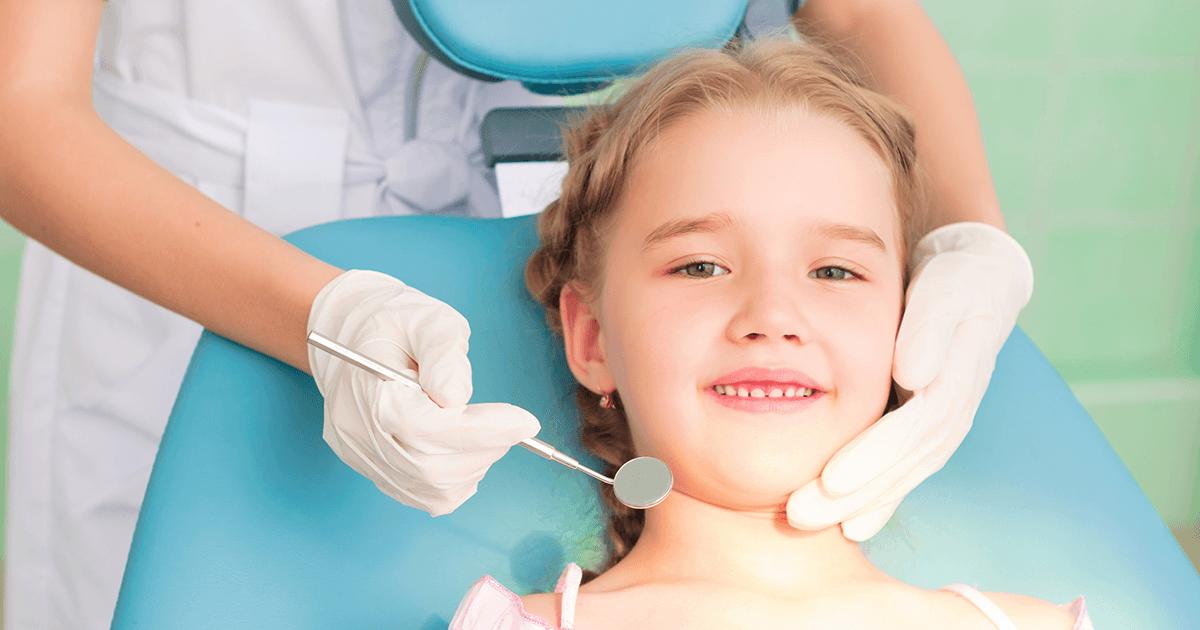
Palatal expanders are one of the most effective tools in early orthodontic treatment, but they often come with many questions from parents. If your child has been recommended an expander, it is usually because the upper jaw is too narrow to allow permanent teeth to erupt properly or align well with the lower jaw.
At Kahan Orthodontics, we take a thoughtful and supportive approach to early orthodontic care. Our goal is to help families in Tarzana, Encino, and the surrounding San Fernando Valley understand why expanders are used, what your child may experience, and how to make this phase of treatment as comfortable as possible.
Understanding Comfort During Palatal Expansion
One of the first questions parents ask is whether palatal expanders hurt. Most children do not describe the experience as painful. Instead, they often feel pressure or tightness when the appliance is activated.
Why pressure occurs
A palatal expander works by applying gentle, controlled pressure to the upper jaw. The appliance gradually encourages the two halves of the upper jaw to widen slightly as the bone adapts.
This pressure is necessary for the expansion process to work properly.
What your child may feel
After an adjustment or at-home turn of the expander, children commonly report:
- A feeling of pressure across the roof of the mouth
- Tightness near the cheekbones or bridge of the nose
- Mild soreness for a short period of time
These sensations are usually temporary and tend to improve as the mouth adapts to the appliance.
The adjustment period
Most children adjust to their expander within several days to about a week. During this time, they may need a little extra patience while speaking or eating.
If discomfort seems unusual or persistent, your orthodontic team can help evaluate the situation.
Why Early Treatment Around Age 7 Can Be Helpful
The American Association of Orthodontists recommends that children receive an orthodontic screening around age seven. This timing allows orthodontists to evaluate jaw development while growth is still active.
The upper jaw is more adaptable at younger ages
In younger children, the connection between the two halves of the upper jaw, called the palatal suture, has not yet fused. Because of this, the jaw can respond more easily to gentle orthodontic guidance.
This may allow expansion to occur gradually with less resistance than in older teens or adults.
Supporting healthy jaw development
Early expansion can sometimes help:
- Create additional room for permanent teeth
- Improve bite alignment
- Reduce the likelihood of certain bite problems developing later
Not every child needs an expander, but early evaluation helps determine whether this type of treatment may be beneficial.
What Parents May Notice During Treatment
As the expander begins to work, you may notice several changes at home. These are common signs that the appliance is doing its job.
A temporary gap between the front teeth
One of the most noticeable changes is a small space that may appear between the upper front teeth.
This gap can surprise parents, but it is a normal part of the expansion process. It usually indicates that the upper jaw is widening. In many cases, the space gradually closes as treatment continues.
Temporary speech changes
Your child may develop a slight lisp during the first few days of wearing the appliance. This happens because the tongue is learning to move around the new appliance.
Speech typically improves as children adjust.
Eating adjustments
Soft foods may be more comfortable during the first few days. As your child becomes accustomed to the appliance, normal eating habits usually return.
Following the turn schedule
Your orthodontist will provide specific instructions for turning the expander at home. These turns are carefully timed to guide the expansion process gradually.
If you ever feel unsure about the process, your orthodontic team can walk you through it.
Support for Parents and Families
We understand that orthodontic treatment can feel like a big step for both children and parents. Our team is here to help make the process as smooth and stress-free as possible.
Convenient virtual guidance
If questions come up while your child is adjusting to their expander, our virtual consultation option can help families get guidance without making an extra trip to the office.
Schedule a consultation:
https://kahanorthodontics.com/survey-latest/
Clear financial information
We also provide transparent details about orthodontic costs, insurance coverage, and payment options so families can plan with confidence.
Insurance information:
https://kahanorthodontics.com/new-patients/insurance-information/
Flexible payment plans:
https://kahanorthodontics.com/new-patients/flexible-payments/
Is a Palatal Expander Right for Your Child?
Every child’s orthodontic development is unique. The best way to determine whether an expander is appropriate is through a personalized orthodontic evaluation.
During a consultation, your orthodontist can assess jaw growth, bite alignment, and available space for permanent teeth. From there, you can discuss whether monitoring or early treatment is the best next step.
If you would like to learn more about what to expect during your first visit, you can read about our process here:
https://kahanorthodontics.com/new-patients/first-visit/
Disclaimer: This content is for general informational purposes only and does not constitute dental or clinical advice. Individual outcomes vary based on clinical evaluation and treatment planning.