

Why Teeth Shift in Your 20s, 30s, and 40s (Even If You Had Braces Before)
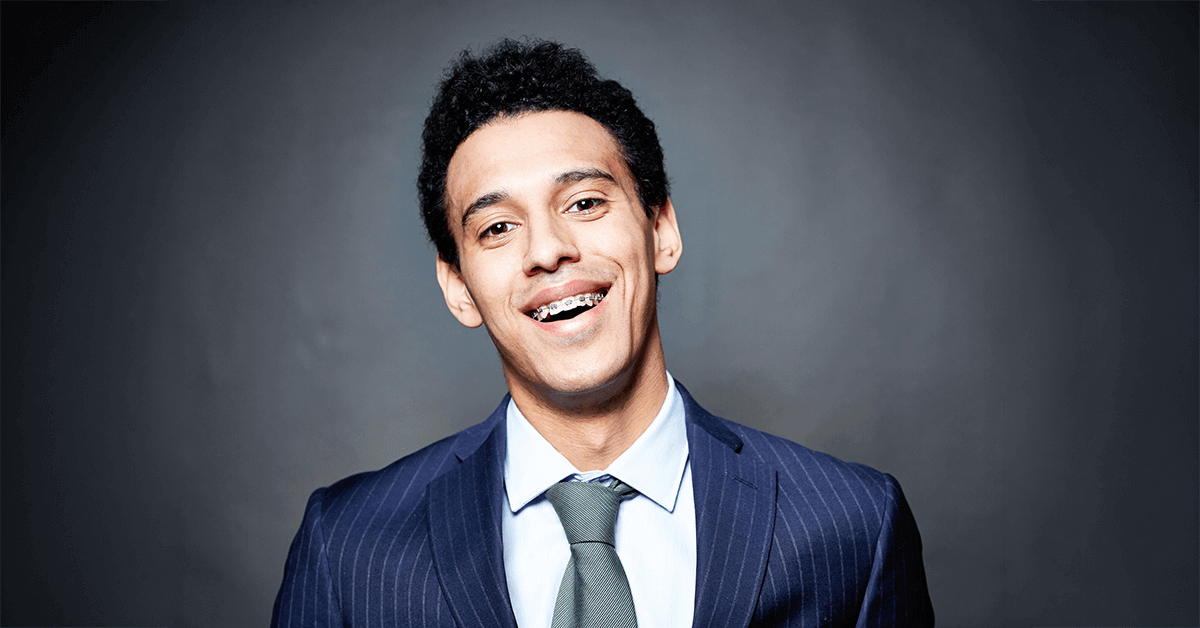
A lot of people assume that once they finish braces as a teen, their smile is “set” for life. In reality, teeth can shift at any age, even after successful orthodontic treatment.
If you’ve noticed crowding, spacing, or changes in your bite in your 20s, 30s, or 40s, you are not alone. Teeth are supported by living bone and tissue, and your mouth continues to adapt over time.
At Kahan Orthodontics, we help adults throughout Tarzana, Encino, and the surrounding San Fernando Valley address orthodontic relapse with modern, discreet options like Invisalign, along with long-term retention strategies designed to protect your results.
1. Late Jaw Changes Can Affect Alignment Over Time
Many adults are surprised to learn that jaw growth and change can continue beyond the teenage years. While major growth typically happens earlier, subtle changes in the lower jaw can occur in adulthood.
Why the lower front teeth often shift first
The most common area for adult shifting is the lower front teeth. Over time, the lower dental arch can experience slight changes in shape or width, which may contribute to:
- Overlapping or crowding of the bottom front teeth
- Rotation of teeth that were once straight
- Bite changes that develop gradually
Even small movement can become more noticeable over time, especially in photos or when flossing becomes harder.
2. Bone Remodeling Happens Your Entire Life
Orthodontic treatment works because bone is capable of remodeling. That same biological process continues throughout adulthood.
Teeth are always supported by living tissue
When pressure is applied to a tooth, the surrounding bone responds. The body naturally breaks down bone on one side of the tooth and rebuilds it on the other side. This is how teeth move during braces or aligner treatment.
Even outside of orthodontics, normal forces from chewing, aging, and oral habits can contribute to gradual tooth movement.
The periodontal ligament plays a role in relapse
Each tooth is surrounded by a structure called the periodontal ligament. After orthodontic treatment, this ligament can take time to fully stabilize in the new position.
This is one reason retainers are so important, especially in the years immediately following braces or Invisalign.
3. Retainer Wear Is the #1 Factor for Long-Term Stability
If you had braces years ago and your teeth have shifted, retainer wear is often part of the story.
Many patients were told they would only need to wear retainers for a short period of time. Today, the standard recommendation for most patients is:
Nighttime retainer wear is long-term, often indefinitely.
This is not because braces “failed.” It is because teeth naturally tend to move over time, and retainers help maintain the alignment you worked hard to achieve.
Common reasons adults stop wearing retainers
- Retainers no longer fit and feel uncomfortable
- Retainers were lost or damaged
- Life got busy and wear became inconsistent
- Retainers were never replaced after years of use
If your retainer does not fit anymore, forcing it is not recommended. A quick orthodontic evaluation can help determine the safest next step.
4. Grinding, Wear, and Bite Changes Can Contribute
As we move into our 30s and 40s, it becomes more common to see enamel wear, bite changes, or jaw tension. These factors can influence how teeth sit together.
Tooth wear (attrition)
Over time, chewing and natural wear can change the shape of the teeth. If you also grind your teeth (bruxism), this wear may happen faster.
As biting surfaces wear down, teeth can:
- Shift slightly into new positions
- Tilt into spaces created by wear
- Become more prone to minor alignment changes
Changes in bite forces
Even small bite imbalances can create uneven pressure on certain teeth. Over time, that pressure can contribute to movement, especially if retainers are not being worn.
5. Tooth Loss or Dental Work Can Cause Teeth to Drift
Adult orthodontic shifting is also common after dental changes such as:
- Tooth extraction
- Tooth loss
- Dental implants
- Crowns or bridges
- Significant restorative work
When a tooth is missing, nearby teeth often begin to drift into the space. This can affect both appearance and bite function.
Even if the dental work was successful, it can sometimes change how the teeth contact, which may influence alignment over time.
6. Modern Orthodontic Options Make Adult Treatment More Comfortable
The good news is that adult orthodontic care is often more discreet and lifestyle-friendly than many people expect.
Many adults in Tarzana and Encino choose orthodontic retreatment for reasons like:
- Crowding that makes brushing and flossing harder
- A bite that feels “off” compared to before
- A smile that no longer looks the way it used to
- Teeth shifting after years without retainers
Invisalign for adults
Invisalign clear aligners are a popular option for adult orthodontic retreatment. They are removable, discreet, and designed to fit into a professional lifestyle.
Treatment time varies depending on the severity of shifting and bite concerns. Some adults need minor alignment, while others may need more comprehensive correction.
Efficient care for busy schedules
At Kahan Orthodontics, we use modern technology to support accurate treatment planning and efficient follow-up visits. Many adults appreciate a care approach that respects their time while still prioritizing clinical quality.
Transparent financial options
We also offer clear information about payment and cost, including:
Flexible payment plans:
https://kahanorthodontics.com/new-patients/flexible-payments/
Invisalign cost information:
https://kahanorthodontics.com/invisalign/invisalign-costs/
Restore Your Smile with Confidence
If you have noticed shifting in your 20s, 30s, or 40s, it does not mean your original orthodontic treatment was a waste. It simply means your teeth are doing what teeth naturally do over time.
With the right plan and a strong retention strategy, many adults can improve alignment again and protect their smile long-term.
If you would like a professional opinion, you can schedule a complimentary consultation or explore more about Dr. Elysa Kahan’s approach and credentials.
Schedule a virtual consultation:
https://kahanorthodontics.com/survey-latest/
Meet Dr. Elysa Kahan:
https://kahanorthodontics.com/elysa-kahan/
Disclaimer: This content is for general informational purposes only and does not constitute dental or clinical advice. Individual outcomes vary based on clinical evaluation and treatment planning.