

Crowding vs Spacing in Kids: Which Orthodontic Issue Is More Urgent?
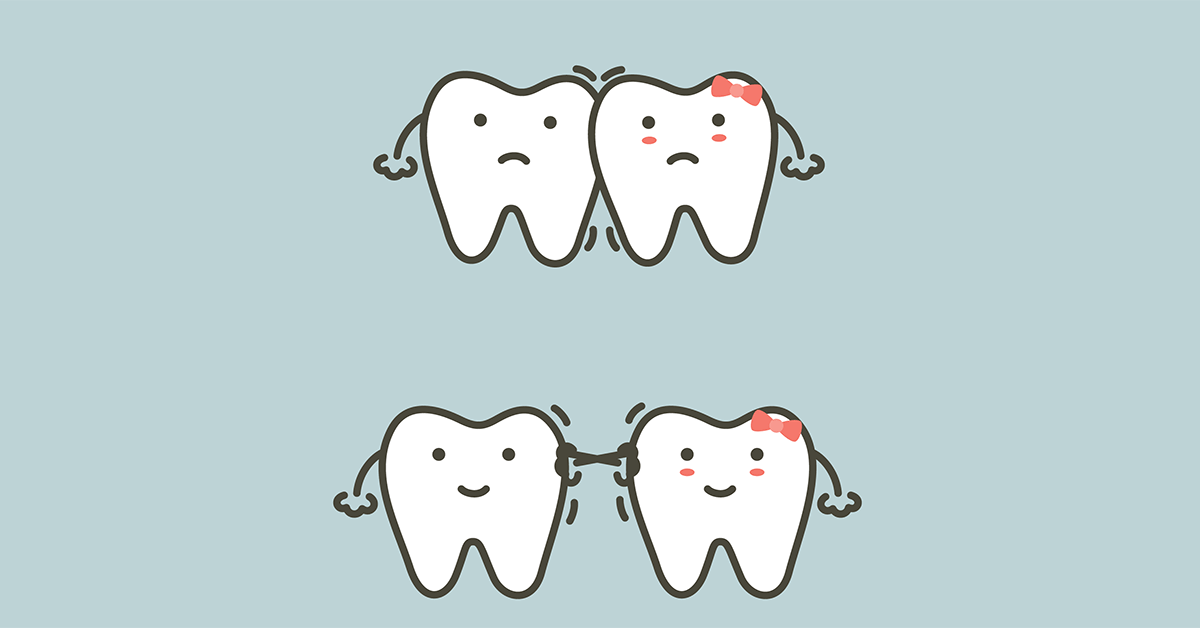
When it comes to your child’s developing smile, it can be hard to know whether an orthodontic concern needs attention now or can wait. Both crowding, when there are too many teeth for the available space, and spacing, when gaps appear between teeth, are common during childhood. However, they can signal very different developmental needs.
At Kahan Orthodontics, we help families throughout Tarzana and Encino understand what these signs may mean and when early orthodontic care can be beneficial, using a thoughtful, conservative approach that prioritizes your child’s comfort and long-term oral health.
Crowding: Why Space Often Matters Sooner
Crowding happens when the jaw does not have enough room to accommodate incoming permanent teeth. This is one of the most common reasons children are referred for an early orthodontic evaluation.
Why is crowding can be time sensitive
When crowding is present, permanent teeth may have difficulty erupting properly. In some cases, teeth can become impacted, meaning they remain partially or fully trapped in the bone. Identifying these patterns early allows your orthodontist to monitor development closely and intervene only if appropriate.
Oral hygiene considerations
Teeth that overlap or erupt out of alignment can be more difficult for children to clean effectively. This may increase the likelihood of plaque buildup and cavities over time, especially as brushing and flossing habits are still developing.
Early orthodontic options
In certain cases, Phase I orthodontic treatment may be recommended while a child is still growing. Appliances such as palatal expanders can help guide jaw development and create space for permanent teeth. Treatment timing and outcomes vary by child, and not every crowded smile requires early intervention.
Spacing: Not Always Just Cosmetic
Spacing, also known as gaps between teeth or a diastema, is often less urgent from a functional standpoint, but it still deserves evaluation.
Gum health and function
Larger spaces between teeth can leave gum tissue more exposed. This may lead to irritation from food or make oral hygiene slightly more challenging for some children.
Habits and growth patterns
Spacing can sometimes be associated with habits such as tongue thrusting or a prominent labial frenum, the tissue connecting the upper lip to the gums. These factors can influence how teeth and jaws develop over time.
Missing or delayed teeth
In some cases, spacing may indicate that one or more permanent teeth are congenitally missing. Early identification helps orthodontists plan appropriately for the future, whether that involves monitoring space, guiding eruption, or coordinating care later in adolescence or adulthood.
Why Orthodontic Screenings Around Age 7 Matter
The American Association of Orthodontists recommends that children receive an orthodontic screening by age seven. At this stage, enough permanent teeth have erupted to assess jaw growth, bite relationships, and potential spacing or crowding concerns.
Benefits of early evaluation
An early exam does not always mean early treatment. Instead, it allows orthodontists to track development over time and recommend care only if and when it is truly beneficial. In some cases, early guidance can simplify later treatment, but results and timelines vary based on individual growth patterns.
A conservative approach to care
At Kahan Orthodontics, treatment is recommended only when it aligns with your child’s specific clinical needs. Our focus is on thoughtful planning, clear communication, and respecting both your time and your child’s comfort throughout the process.
Supportive Care for Valley Families
Every child’s orthodontic journey looks different. Whether your child needs monitoring, a short-term appliance, or a comprehensive plan later on, we offer flexible options to support families.
- Virtual consultations allow busy parents to start the conversation and determine next steps without an immediate office visit.
- Clear financial guidance is available through our flexible payment plans and insurance resources.
- Experienced leadership from Board-Certified orthodontist Dr. Elysa Kahan, who completed advanced training at the University of Pennsylvania, supports careful diagnosis and personalized treatment planning.
Learn more about payment options at
https://kahanorthodontics.com/new-patients/flexible-payments/
Review insurance details at
https://kahanorthodontics.com/new-patients/insurance-information/
Is It Time for a Professional Opinion?
The best way to understand whether crowding or spacing requires attention is through a personalized orthodontic evaluation. Every child develops at a different pace, and individual results may vary.
If you would like to take the next step, you can schedule a complimentary consultation or learn more about what to expect during your first visit.
Schedule a consultation:
https://kahanorthodontics.com/survey-latest/
What to expect at your first visit:
https://kahanorthodontics.com/new-patients/first-visit/
Disclaimer: This content is for general informational purposes only and does not constitute dental or clinical advice. Treatment recommendations depend on an individual orthodontic evaluation.